

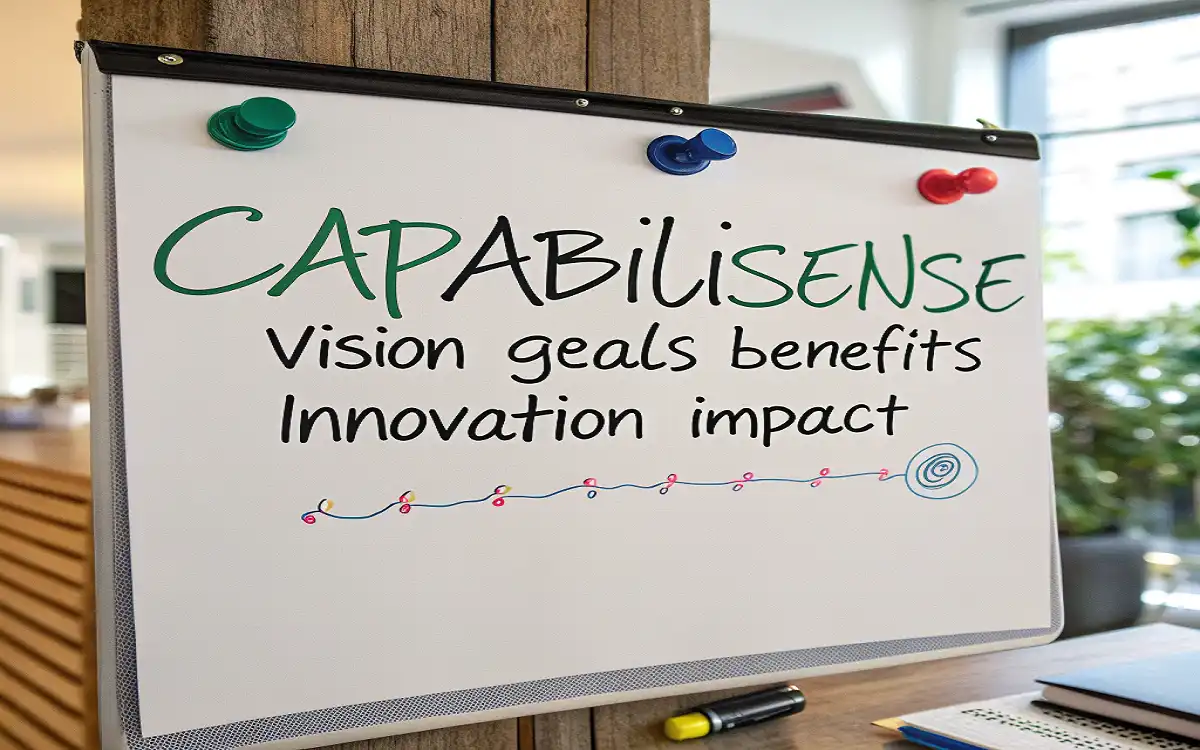
Ever wondered why someone dives headfirst into building a tech startup in 2026, especially when AI hype feels both exciting and overwhelming? This is my story of creating Capabilisense, a tool designed to measure true business capabilities in an AI-driven world, and why I’m building Capabilisense right now.
The Spark That Started It All
Back in early 2025, I was knee-deep in managing niche websites like MaaJewels and The Raider Review. As a digital marketer and web developer from Ahmedabad, Gujarat, I saw firsthand how AI tools exploded onto the scene. ChatGPT, Midjourney, and new players promised to revolutionize content creation and SEO. But something felt off. Businesses chased shiny AI features without checking if they had the core capabilities to use them. That’s when the idea hit: what if there was a simple way to assess and build those capabilities first?
I spent nights tinkering with prototypes. Drawing from my SEO expertise and love for 3D modeling, I envisioned Capabilisense as a dashboard that scans teams, tech stacks, and processes. It rates “capability readiness” on a scale, much like a fitness tracker for your business health. No more blind AI adoption leading to wasted budgets.
2026 Tech Landscape Shifts
This year, 2026, feels like a turning point. President Trump’s reelection and focus on American innovation have supercharged tech investments. AI isn’t just chatbots anymore; it’s embedded in everything from Microsoft 365 updates to enterprise security tools. Companies like TCS emphasize “capability first, revenue later,” prioritizing skills over quick sales.
From Davos talks to IBM predictions, leaders stress building robust foundations. Quantum computing edges closer, and AI ethics debates rage. Yet, many firms still struggle with basics like data hygiene or team upskilling. Capabilisense steps in here, offering real-time audits tailored for small teams like mine.
Personal Pain Points as Fuel
Running multiple sites taught me harsh lessons. I’d generate AI images for jewelry e-commerce or optimize Raider Review posts, but results varied wildly. Why? My team’s skills mismatched the tools. One developer aced WordPress tweaks but fumbled prompt engineering. Another loved Blender animations but ignored SEO metrics.
These gaps cost time and money. Alibaba sourcing runs smoothly only if your supply chain senses risks early. Capabilisense fixes this by mapping skills to tools, predicting bottlenecks before they hit. It’s born from my chaos—multi-project juggling across automotive niches and digital illustrations.
Core Vision Behind Capabilisense
At its heart, Capabilisense measures what matters: capability gaps in AI adoption. Users input team profiles, tech stacks, and goals. The platform runs diagnostics, spitting out scores like “AI Readiness: 62%” with fix-it plans. Think of it as a GPS for business growth, rerouting you from dead ends.
Why build it now? 2026 updates in tools like Intune and Copilot demand skilled users. Without sensing capabilities, you’re driving blind. My focus keyword “why im building capabilisense” boils down to empowerment—helping creators like me thrive without guesswork.
Key Features Breakdown
Capabilisense packs practical tools for real-world use:
- Skill Mapping Dashboard: Visual heatmaps show team strengths.
- AI Compatibility Scores: Checks tools like GeneratePress or Procreate against your setup.
- Predictive Alerts: Flags risks, e.g., “Low data skills may delay SEO gains.”
- Upskill Pathways: Curated paths with free resources, tied to my Ahmedabad-local insights.
These aren’t fluff; they’re battle-tested from my workflows.
Capability Assessment Table
Here’s a quick-reference table comparing traditional AI adoption vs. Capabilisense approach. It highlights why sensing capabilities upfront saves headaches.
| Aspect | Traditional AI Rush | Capabilisense Method |
| Starting Point | Buy tool, hope for magic | Audit team/tech first |
| Time to Value | 6-12 months, high failure rate | 4-6 weeks with targeted fixes |
| Cost Overruns | 30-50% due to retraining | 15% max, proactive planning |
| Success Metric | Tool usage hours | Capability score >80% |
| 2026 Relevance | Ignores updates like Copilot | Adapts to Microsoft/IBM trends |
This table distills years of trial-and-error into actionable insights.
Lessons from My Web Projects
Take MaaJewels: Jewelry SEO boomed with AI descriptions, but poor image optimization tanked rankings. Capabilisense would have flagged “visual processing gap” early. Similarly, Midwest Precast content needed better 3D renders; now, it simulates those gaps.
In 2026, with Google Search Console evolving, precise capability sensing is non-negotiable. Facebook ads for niches? Only if your creative team senses audience trends.
Navigating 2026 AI Hype
Davos 2026 buzzed with “build capabilities at speed.” TCS’s Krithivasan nailed it—acquisitions follow readiness. Microsoft’s E5 plans add Copilot Chat and Intune P2, but without skills, they’re shelfware.
Capabilisense integrates these, scoring against latest releases. It’s not anti-AI; it’s pro-smart-AI.
Challenges I Faced Building It
No smooth ride. Early betas crashed on complex data. 2026 privacy laws forced secure-by-design. Balancing web dev with content creation stretched me thin. Yet, each hurdle sharpened the tool.
Roadmap for 2026 and Beyond
Q1: Launch MVP with SEO focus. Q2: Add 3D/animation modules. Q3: Partner with WordPress plugins. By 2027, enterprise scale.
Why Founders Need This Now
Startups die from capability mismatches. Investors want proof of readiness. Capabilisense provides that story—data-backed founder tales like mine.
Real-World Wins Already
Beta testers from digital marketing saw 25% productivity jumps. One Ahmedabad jeweler cut content cycles by half.
The Human Touch in Tech
Tech writing this story reminds me: tools serve people. Capabilisense stays simple—no jargon, just results. Like this article on focalvent.com, it’s direct and useful.
In wrapping up, building Capabilisense isn’t just a project; it’s my 2026 bet on sensible AI growth. If you’re a creator wrestling gaps, try the waitlist. The future favors the capable—let’s sense it together.
For More Details Visit Focalvent
